
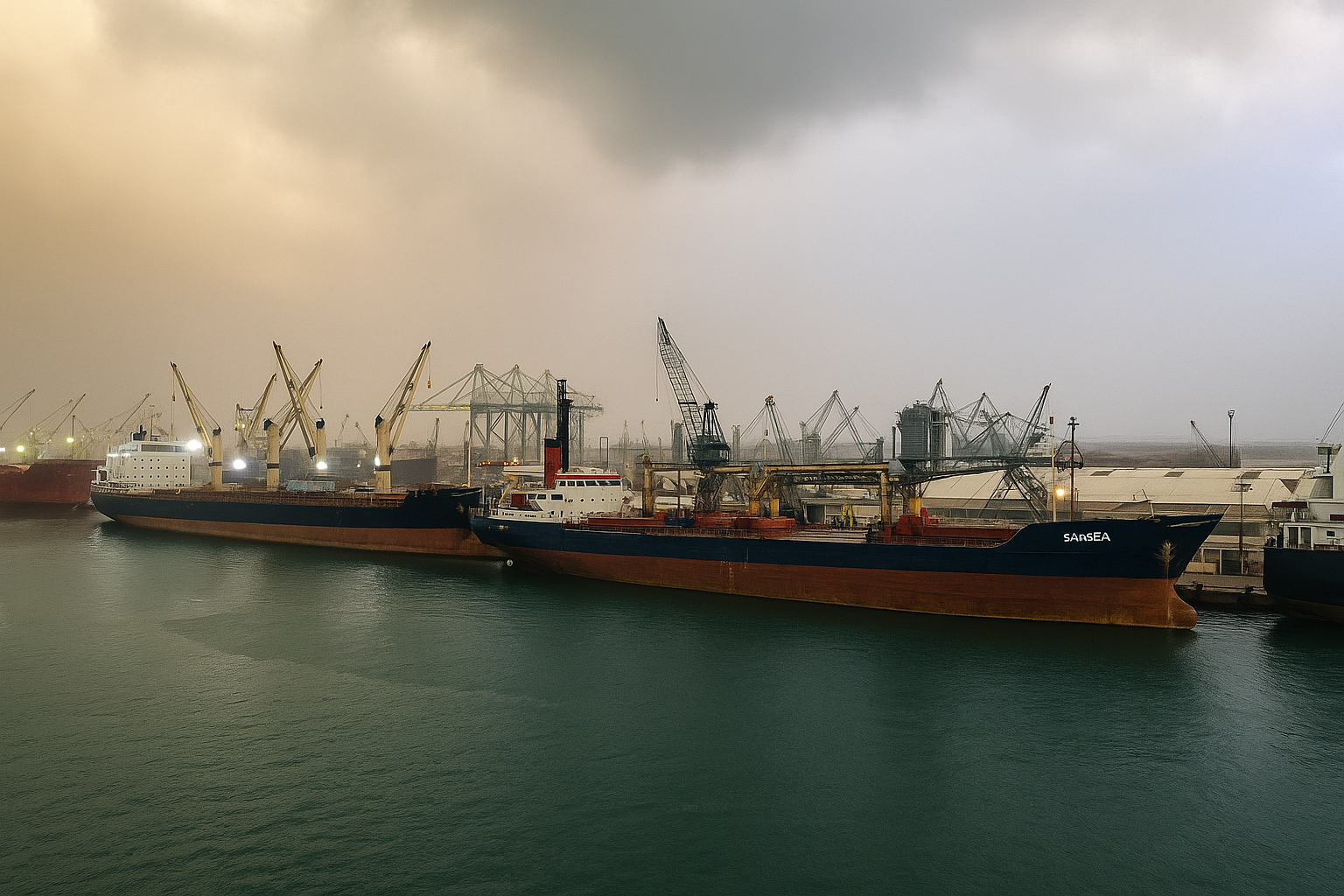
Tripoli Port, the second major seaport in Lebanon, plays a pivotal role in supporting the country’s commercial and maritime activities. With its strategic location near the Syrian border and direct access to regional markets, the port serves a wide range of cargo types including containers, general cargo, and bulk goods. Over the years, infrastructure upgrades have improved vessel handling and reduced turnaround times, making Tripoli an increasingly attractive gateway for shipping lines and logistics providers.
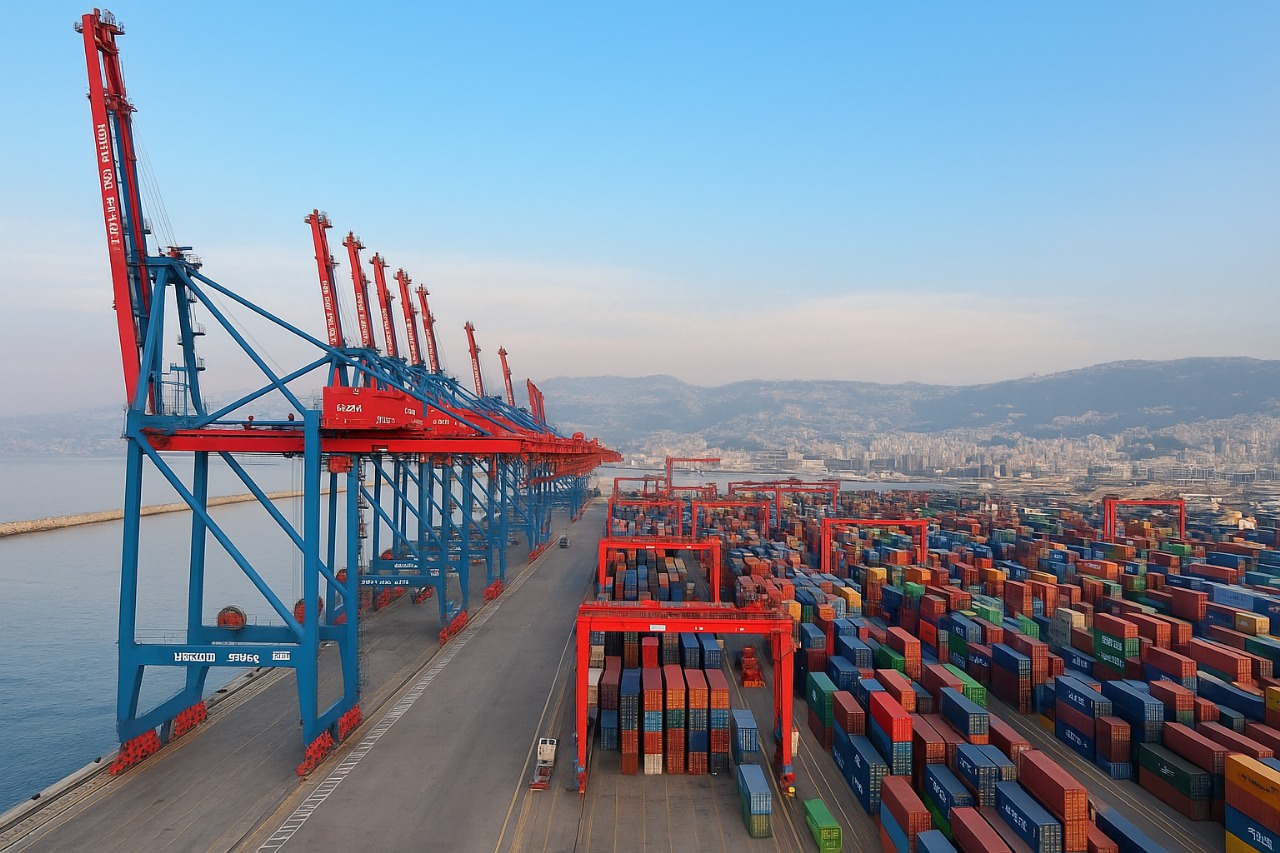
As Lebanon’s principal seaport, Beirut Port remains a central hub for the nation's maritime trade. Located on the Mediterranean coast, it handles the majority of the country's container traffic and a variety of cargo types. The port offers modern facilities and advanced logistics services that ensure efficient vessel operations, customs clearance, and inland connectivity. Beirut Port is also a preferred call for cargo vessels due to its proximity to major urban centers and commercial zones.
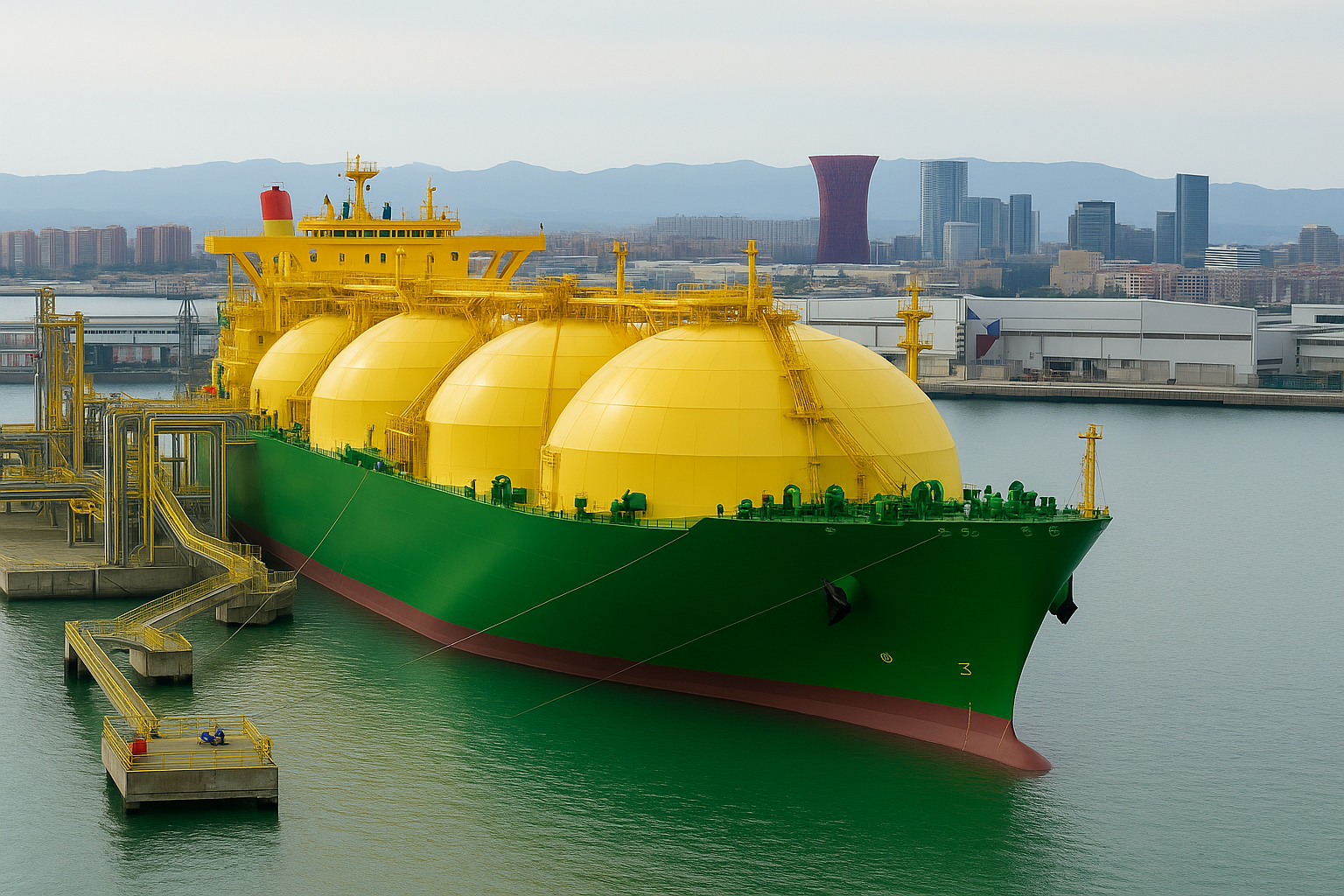
ALebanon’s coastline hosts several private terminals specifically equipped for handling oil and chemical tankers. These terminals are operated by major energy companies and offer specialized infrastructure such as berths with high safety standards, dedicated pipelines, and advanced pumping systems. Access to these private tanker hubs requires strict coordination and compliance with environmental and safety protocols. Our agency maintains close relationships with terminal operators to ensure smooth berthing, timely clearance, and continuous updates throughout the operation